
Our Story
4000 years of place
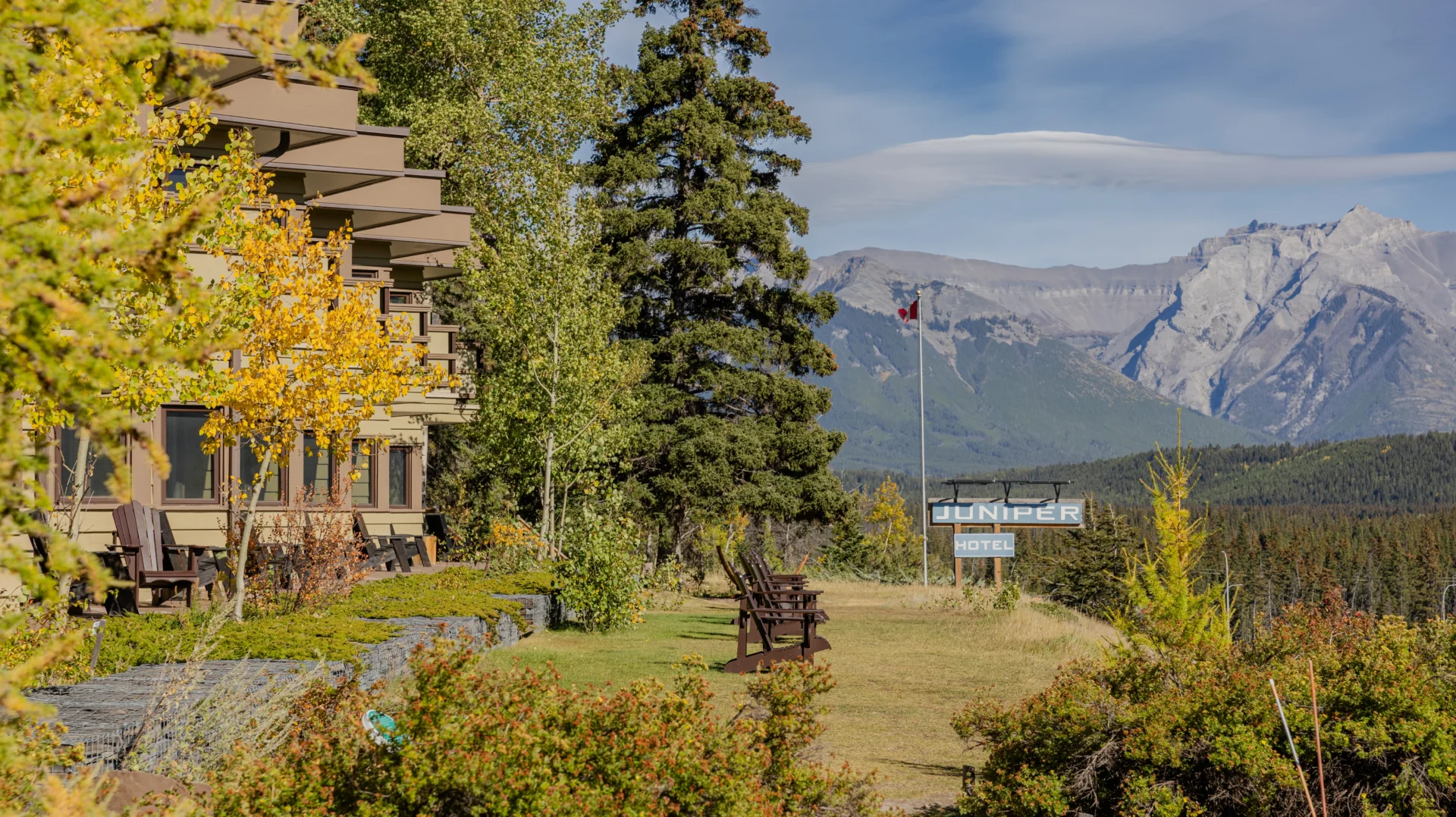
The story behind the Juniper
Our Purpose
When you stay at the Juniper, you support our purpose:
To inspire guests, uplift our communities, and nurture our environment.
As an independent Banff hotel, every stay helps us continue doing things with care – from welcoming guests with genuine mountain hospitality to supporting local people, thoughtful partnerships, and more responsible choices for the place we call home.
Thank you for choosing an independent business for your adventure in Banff National Park. We’re grateful to be part of your time here.
The Banff Effect
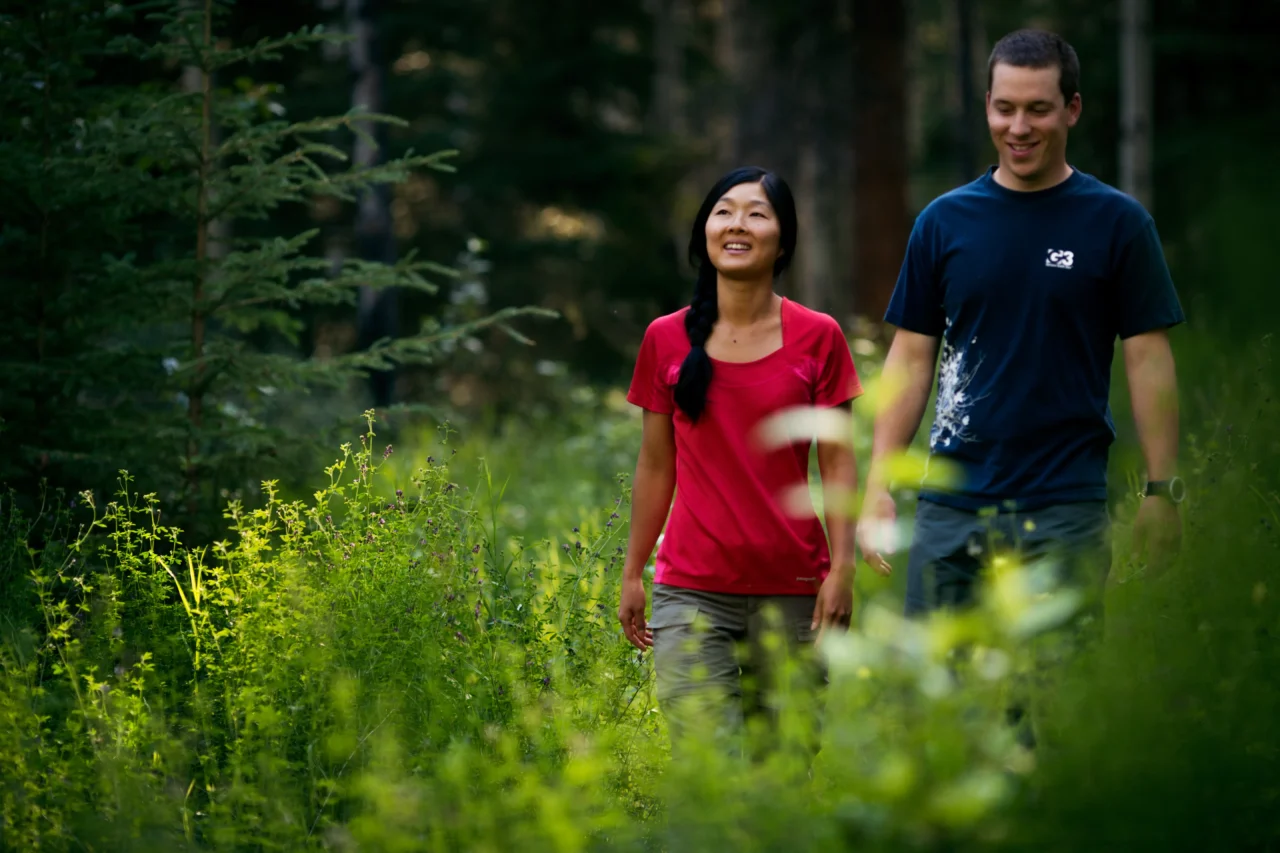
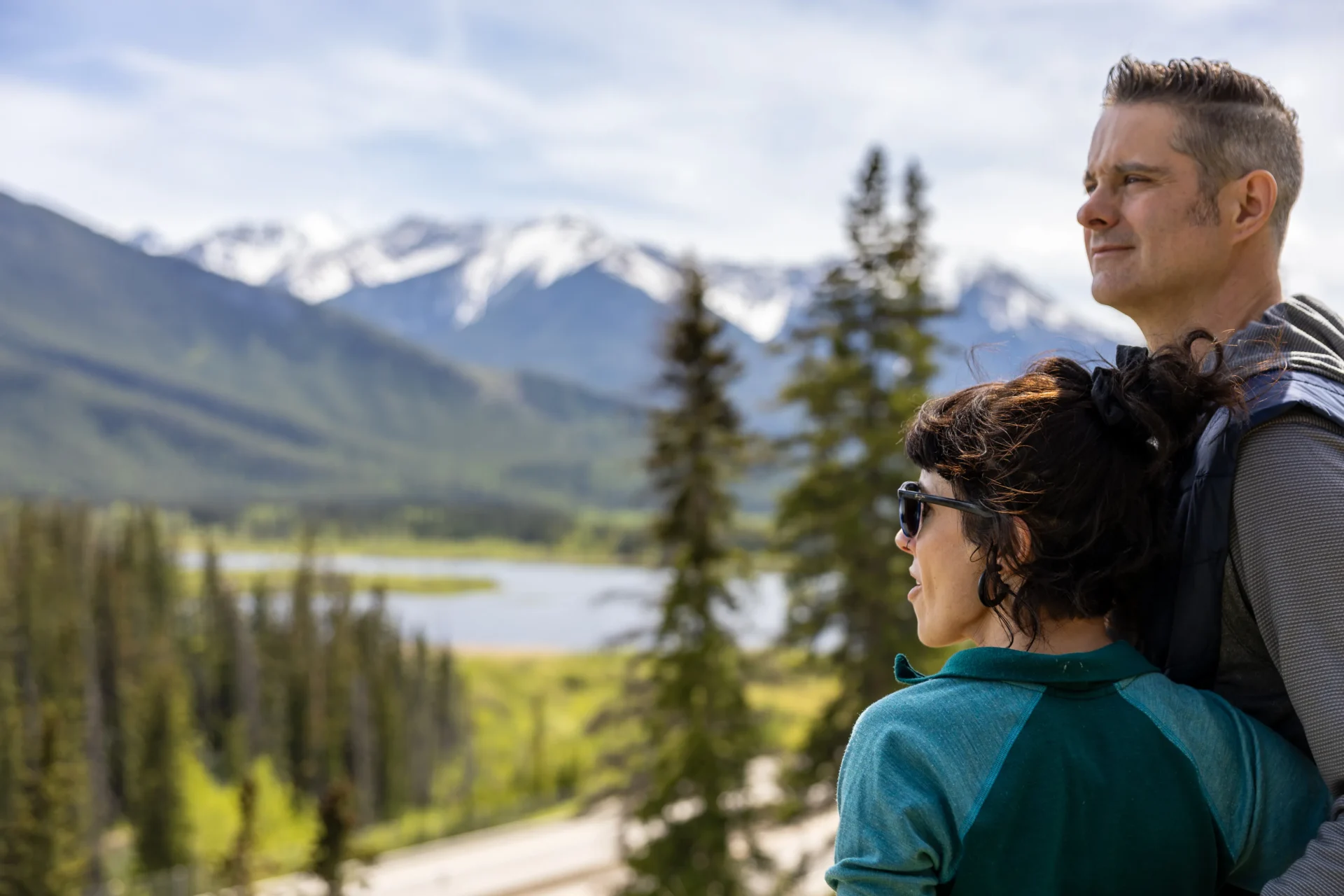
There’s something about Banff that stays with you long after you leave. It might be the scale of the mountains, the stillness of a sunrise over the valley, or the feeling of being surrounded by nature at every turn. It’s what we call the Banff Effect – a sense of awe, perspective and renewal that comes from immersing yourself in this extraordinary place.
Named the Readers’ Choice Best Place in the World to Travel in 2026 by National Geographic, Banff was described as a destination where “wilderness isn’t something you visit but something that surrounds you – always.”
At The Juniper, every aspect of your stay is designed to help you experience that feeling more deeply. From our panoramic mountain views and peaceful setting to thoughtful hospitality and experiences that encourage you to slow down, reconnect and explore, we create the space for Banff to work its quiet magic.
A Historic Site
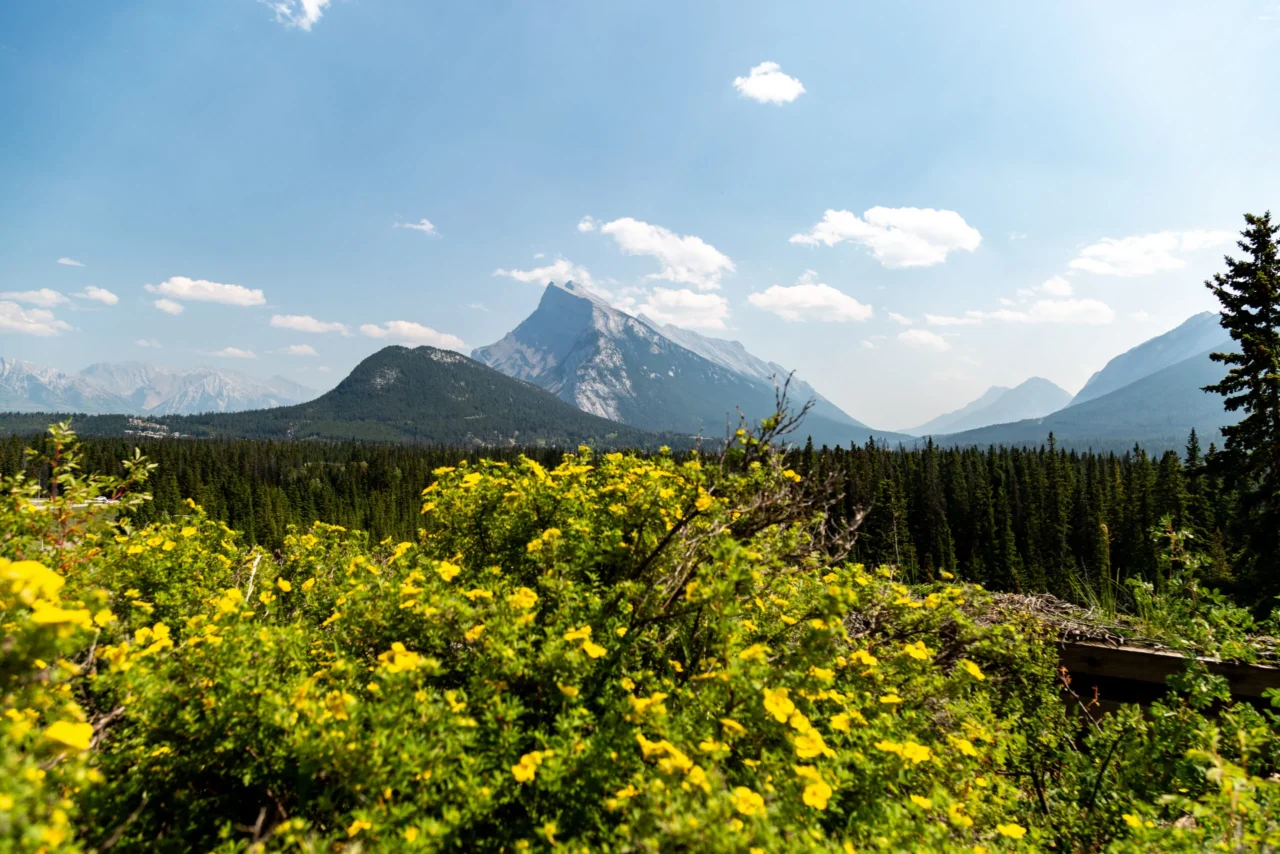
The Juniper sits on land with a long and layered story — from ancient gathering places and early mountain travel routes to the people, buildings, and moments that helped shape Banff as we know it today.
Explore the timeline below to learn more about the history of this special place, the surrounding landscape, and the stories that continue to connect guests to Banff National Park.
01 4,000 Years Ago Click to expand
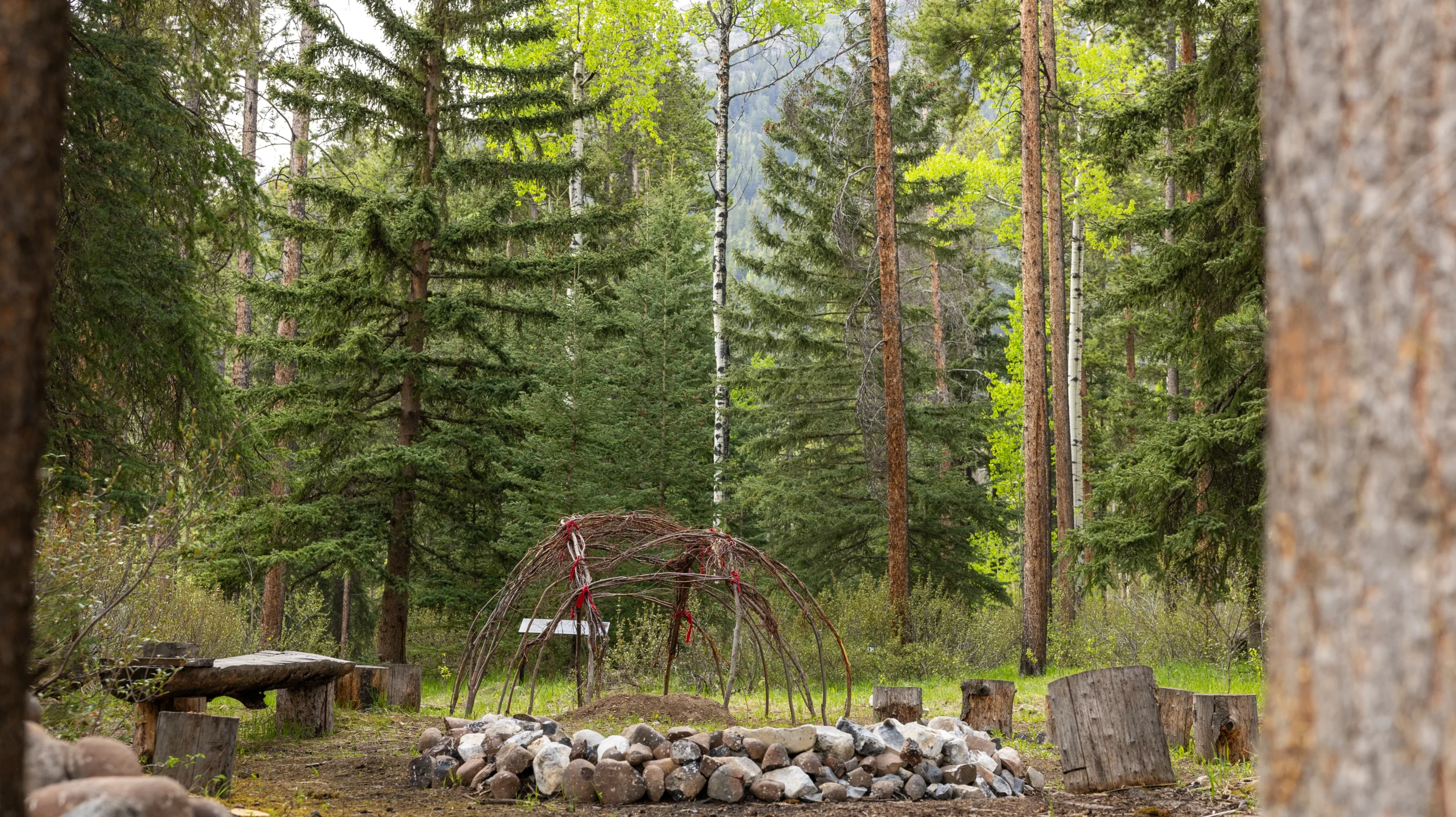
Indigenous peoples travel to the Bow Valley seasonally, across the mountain passes. Six Indigenous language groups across the continent have cultural memory of this valley.
Secwépemc peoples construct traditional circular pit-houses, or kigulis, including near the site where the Juniper now stands. They return to these dwellings year after year, looking out at the same mountain landscapes that we enjoy today.
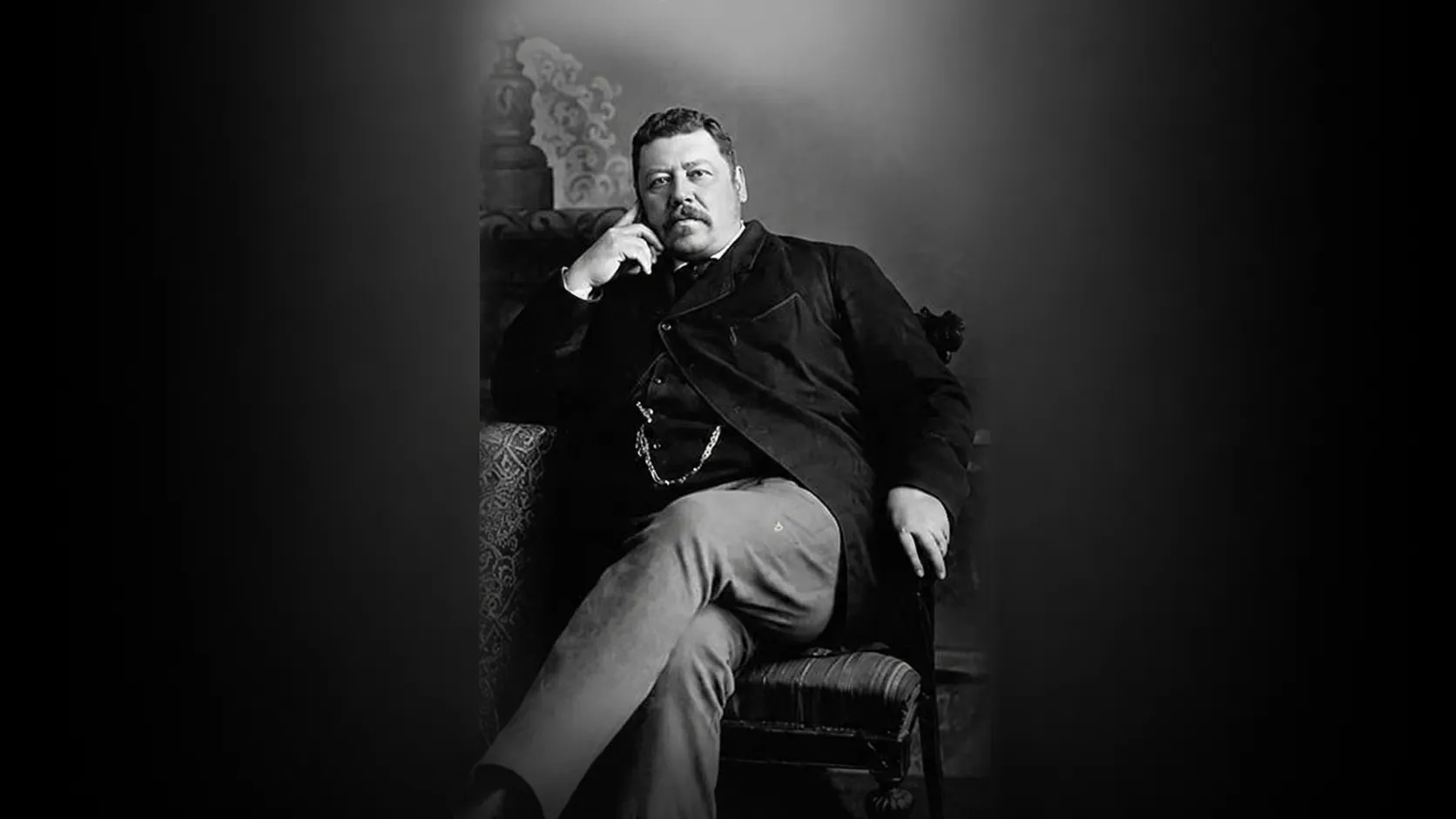
02 1878 John Norquay
03 1883 Hot Springs 'Discovered'
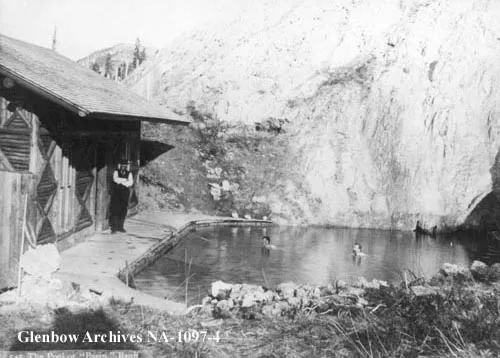 Image courtesy of Glenbow Archives, swimmers in the ‘basin’ c.1890.
European settlers working on the railway line ‘discover’ the hot springs at the base of Sulphur Mountain, already known as a sacred site by local First Nations.
Seeing their value as a tourist attraction, they move to protect the site. This paves the way to Banff becoming Canada’s first national park.
04 1902 A Possible Summit
05 1903 Kiguli Complex
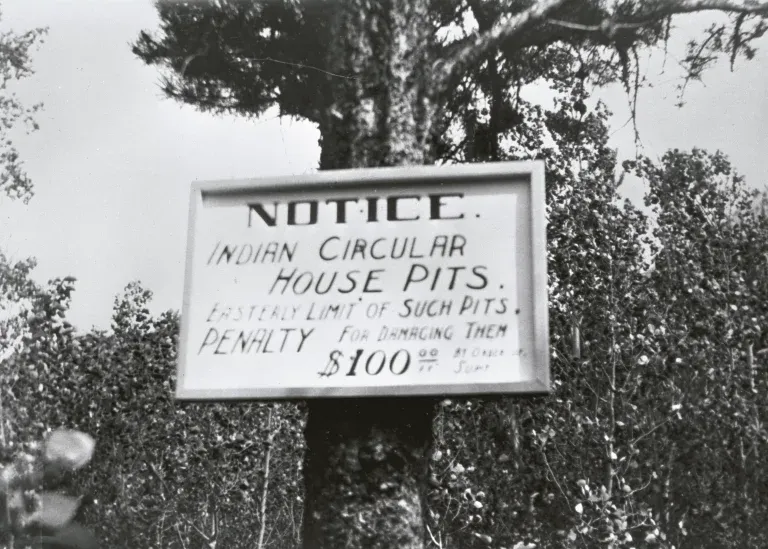
The Dominion of Canada send an archeologist, Harlan I. Smith, to Banff. His task is to catalogue any sites of historical interest.
Locals guide him to a kiguli site by the river bank – after years of disuse, they appear as circular depressions in the ground.
Recognizing their significance, Smith erects a sign, making this the first protected archeological site in Canada. The $100 fine for damage would equal around $3000 today!
Sadly, in the following decades the large kiguli complex is destroyed as the Banff Springs hotel expands.
06 1926 Skiing in Banff
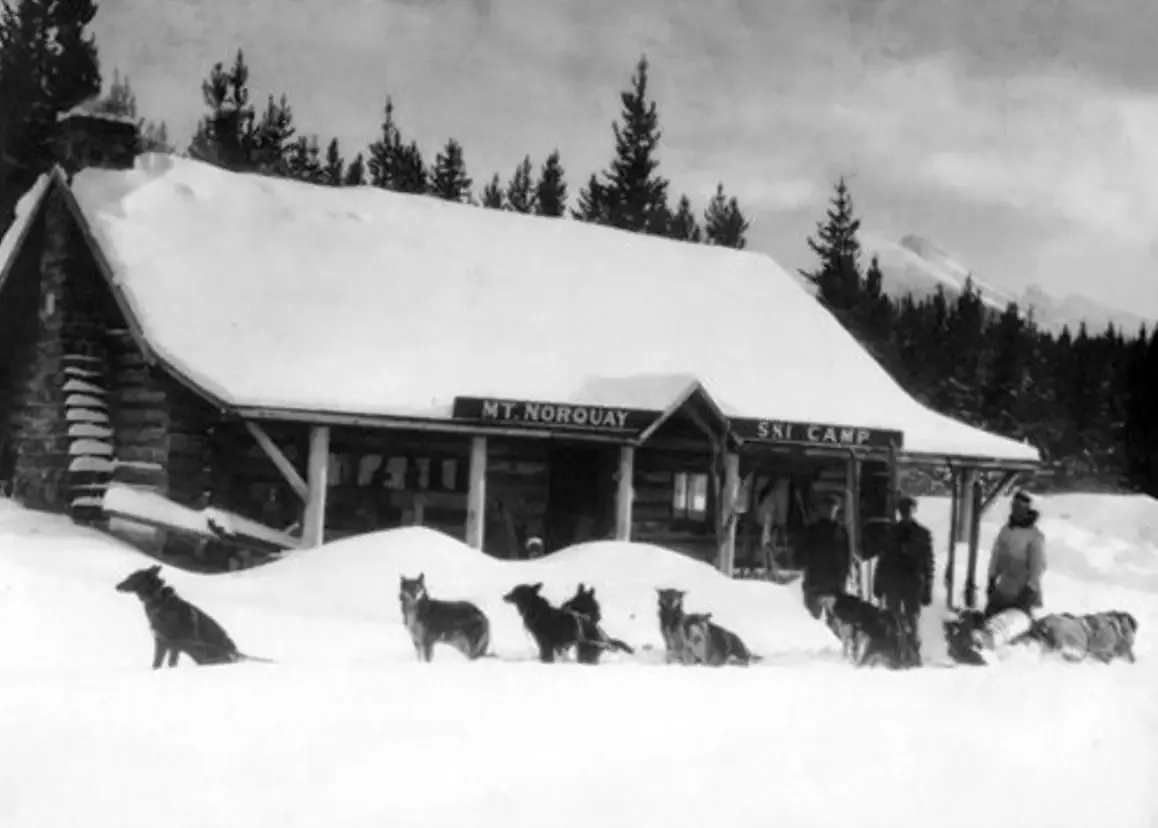
Enterprising locals cut the first ski runs into the side of Mt. Norquay.
07 1931 Motorcars In Banff
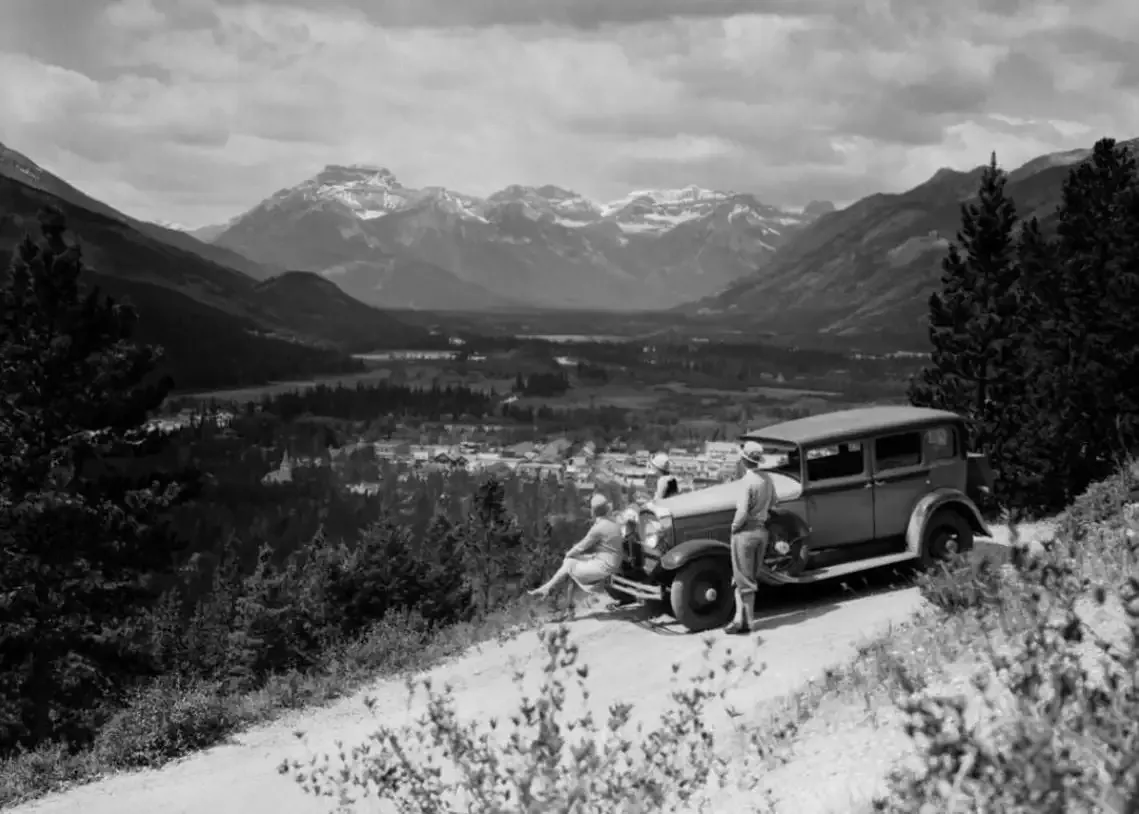
Previously only accessible by train or horse, motor vehicles are permitted in Banff National Park for the first time.
08 1957 The Timberline Hotel
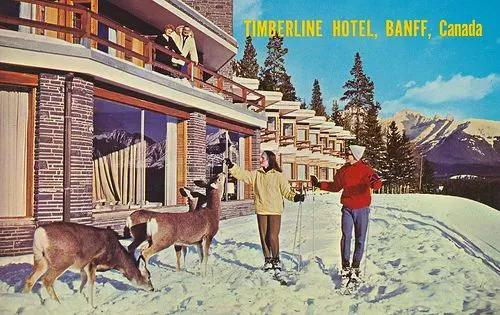
09 1960s "Best TV Signal in the Valley"
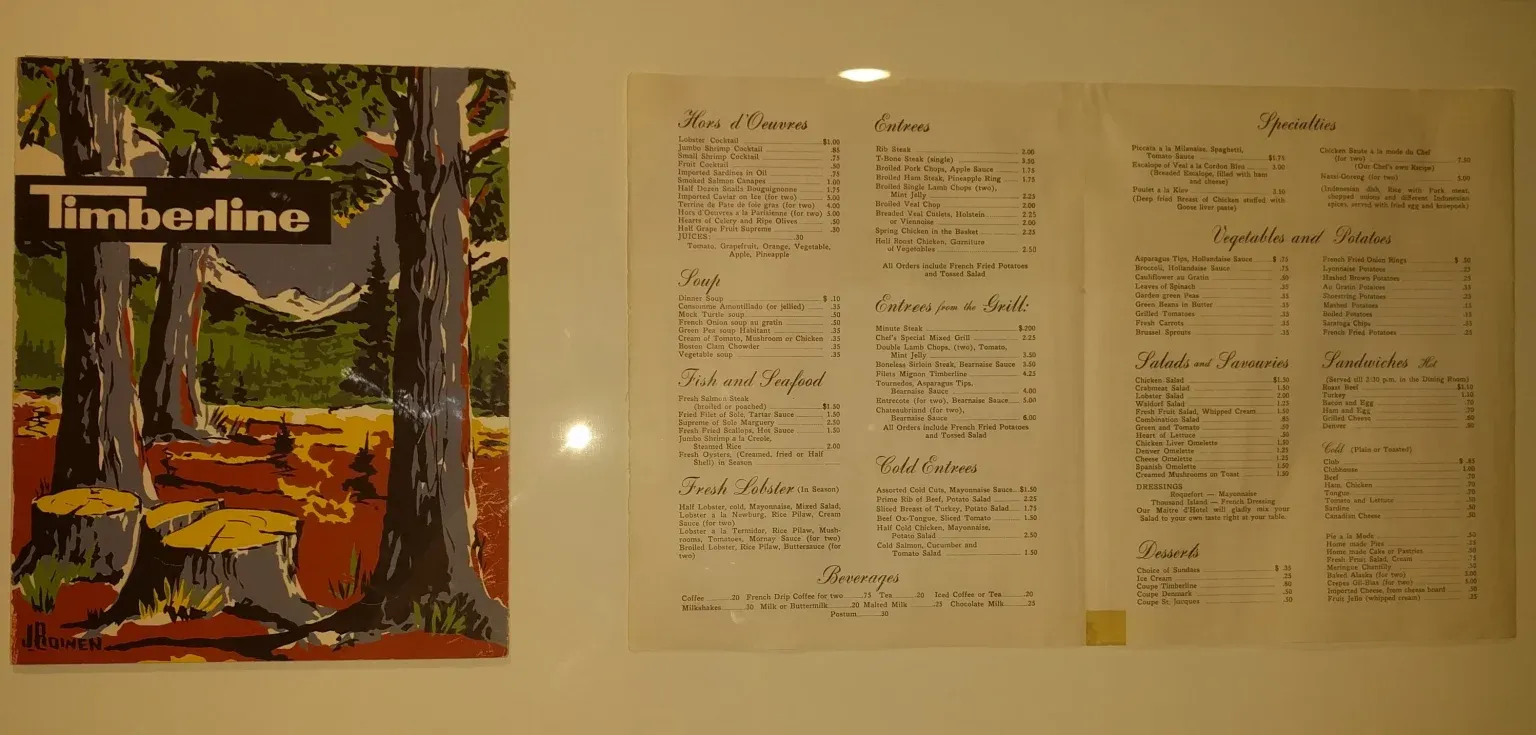
“Our unique location offers more than just views – the Timberline Hotel boasts the best TV signal in the Bow Valley!”
“The dining room offers sophisticated, European-style meals including Mock Turtle soup and Chateaubriand for 2 for $6.00…”
10 1989 Parks Canada Excavations
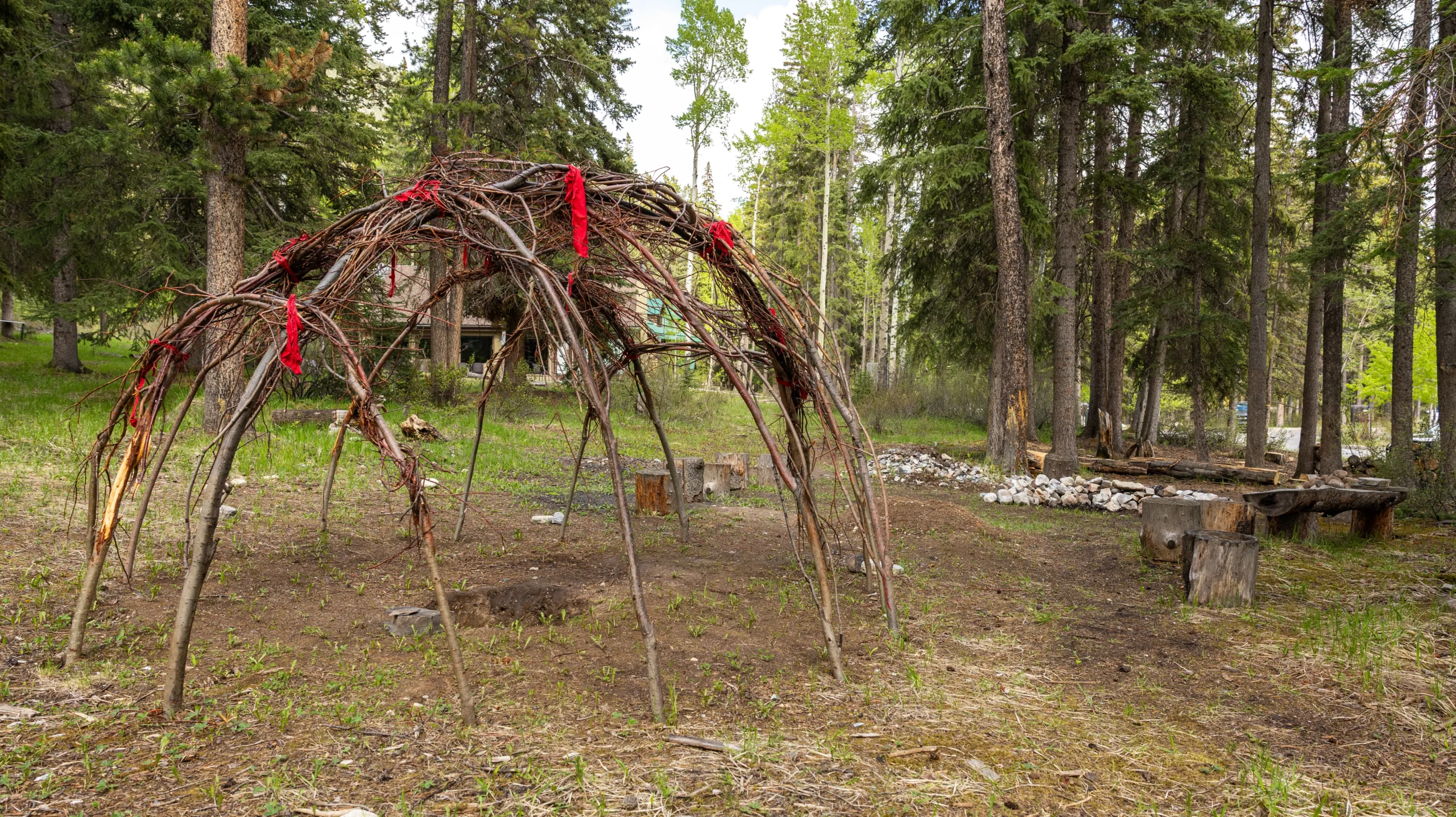
Parks Canada archaeologists excavate the area around Vermilion Lakes and next to the Timberline Inn. Their findings further validate the cultural memory of the Secwepemc peoples, revealing the presence of their ancestors and traditional kiguli architecture in the Bow Valley.
11 2001 For Sale
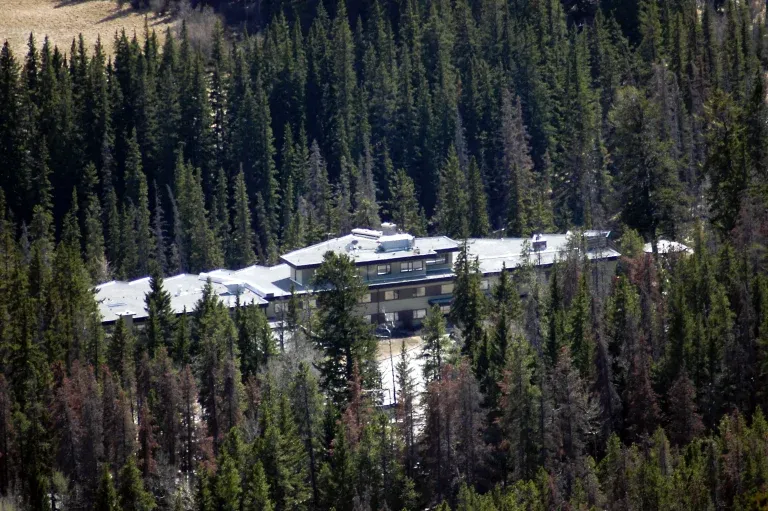
The Timberline comes up for sale. Knowing the historic significance of the site, and inspired by the property’s potential, local company Arctos & Bird jump at the chance to transform it for a new era.
A renovation plan aims to preserve the building’s character, improve the environmental performance of the building and grounds, and reuse as many original or reclaimed materials as possible.
12 2004 The Juniper Hotel
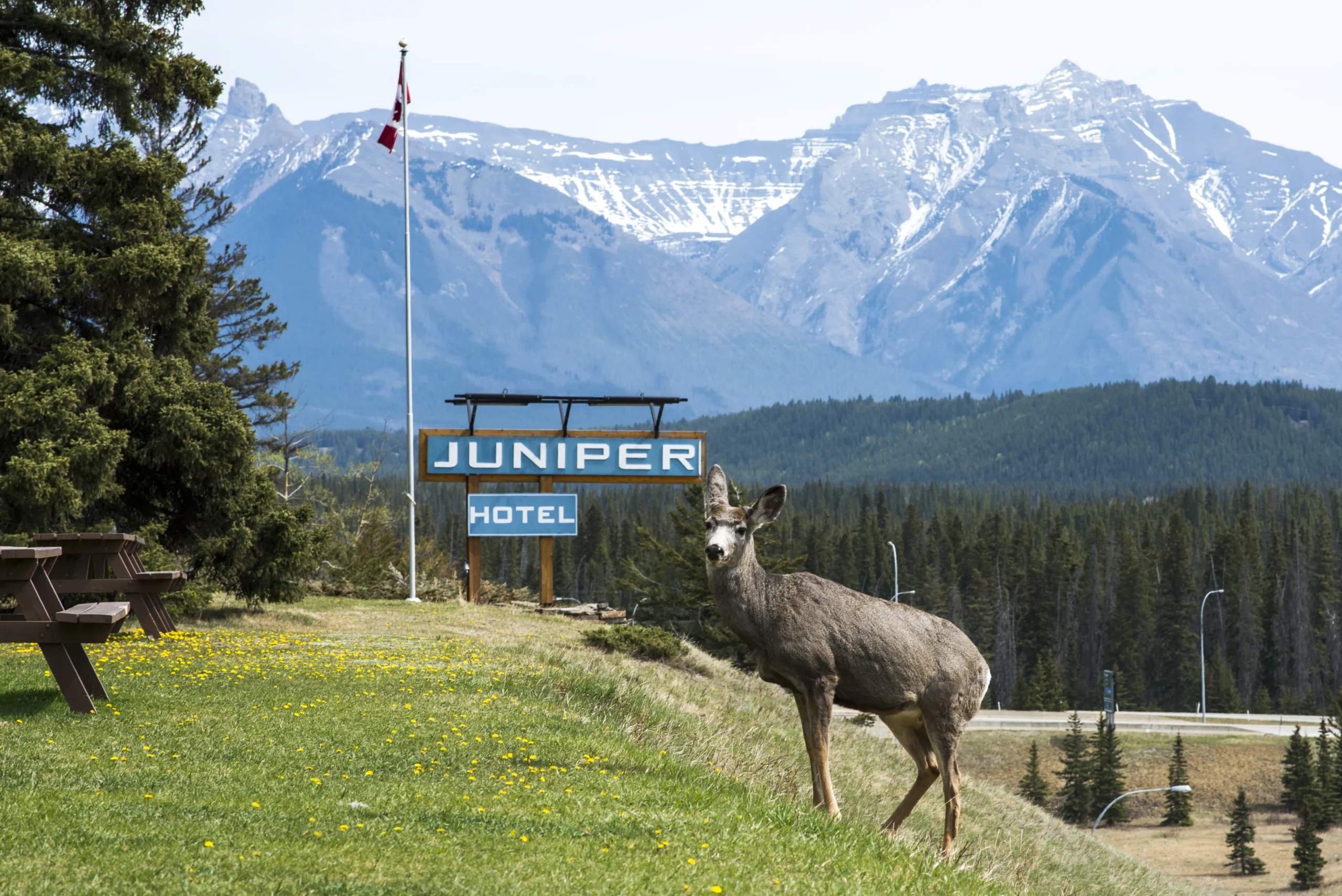
The hotel reopens with a brand new name. The team take inspiration from nature and the way the building hugs the hillside, blending into the landscape.
This is one of the few areas of the park where all three species of Juniper tree grow, including the low spreading Juniperus Horizontalis.
And so, the property becomes The Juniper Hotel.
13 Today
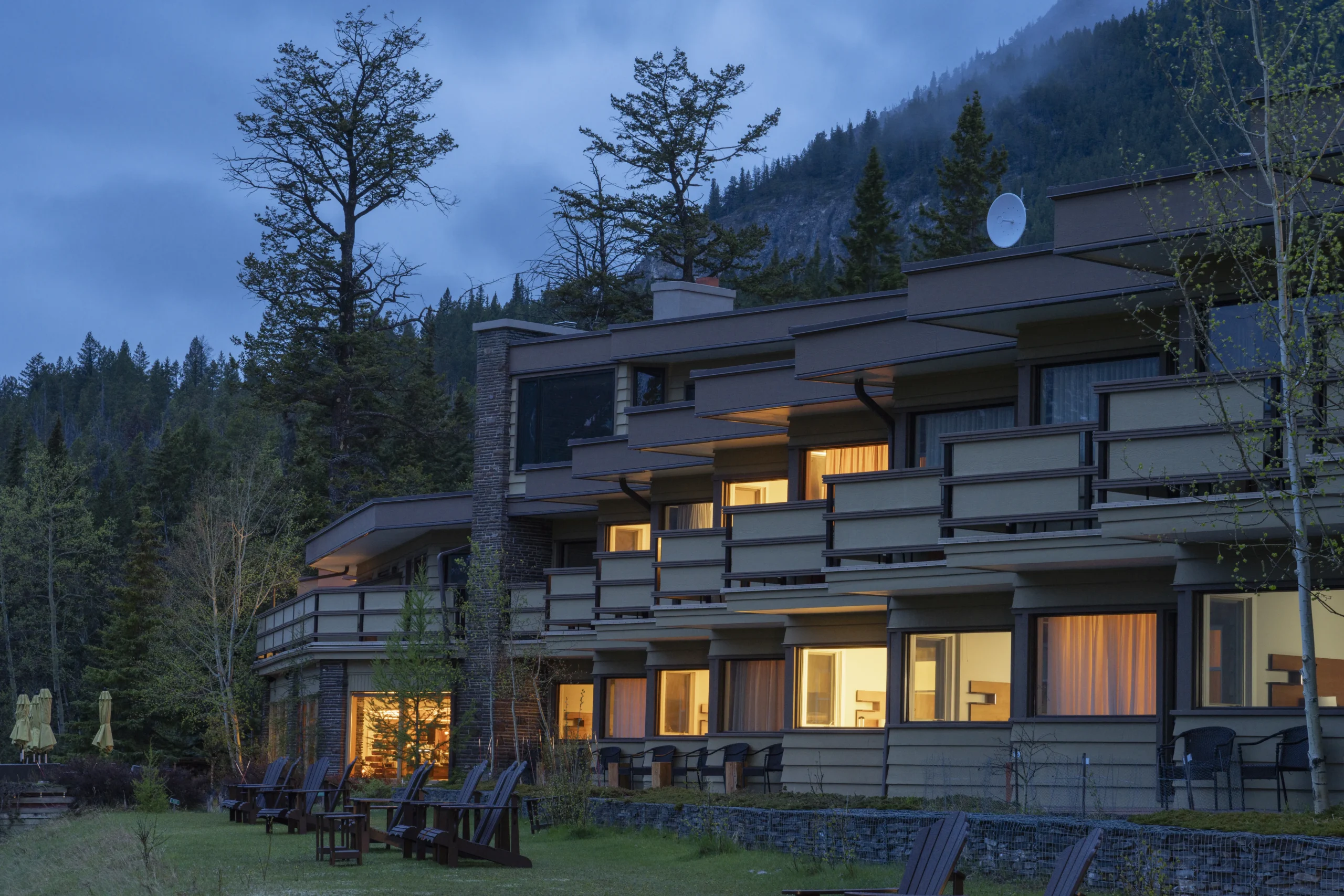
As Banff continues to grow in popularity, our mountain community aims to be a leader in environmentally and socially conscious tourism.
We want to enjoy the beauty of this place while preserving and restoring it for future generations.
The Juniper team strive to make our operations more nature-positive, support and celebrate our diverse local communities, and deliver inspiring experiences for our guests.
Thank you for being part of this journey with us!
A Place Like No Other
Our home
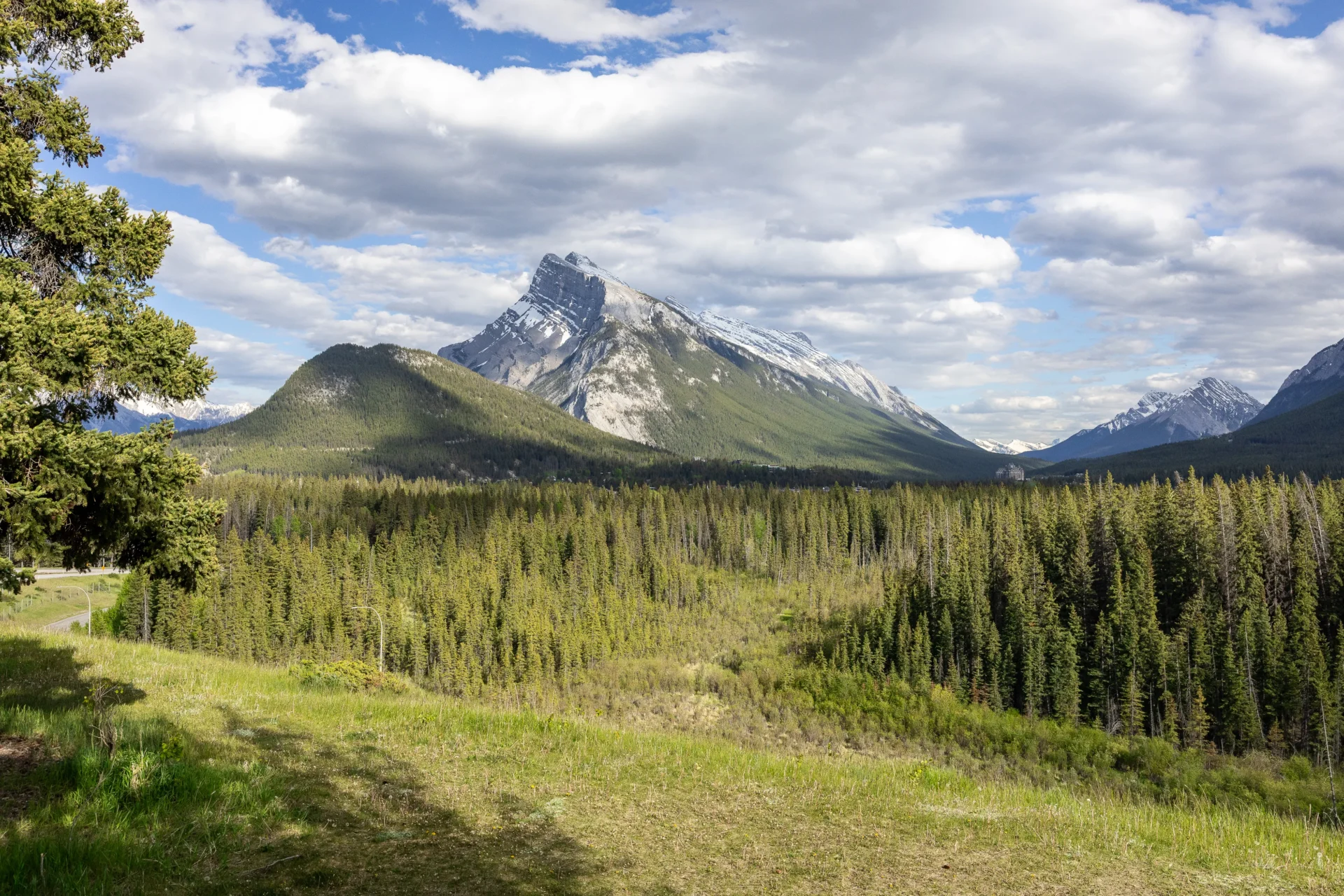
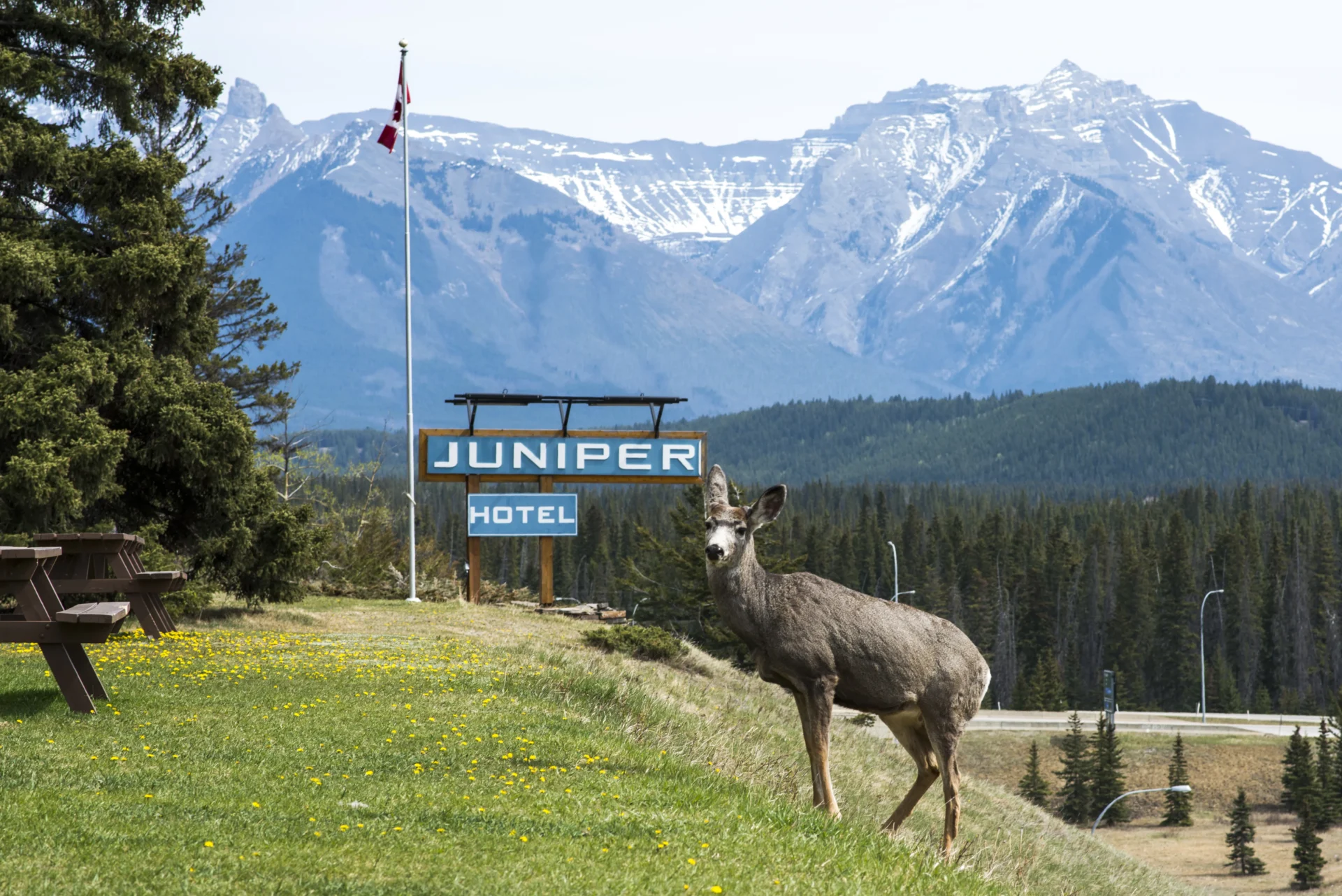
The Juniper has always been shaped by the place it calls home. Set on the edge of Banff, where mountains, forests, and open valleys meet, the hotel invites guests to experience more than remarkable views.
This is a landscape with deep natural and cultural significance, where wildlife still moves freely, native plants continue to thrive, and generations of people have built lasting connections with the land.
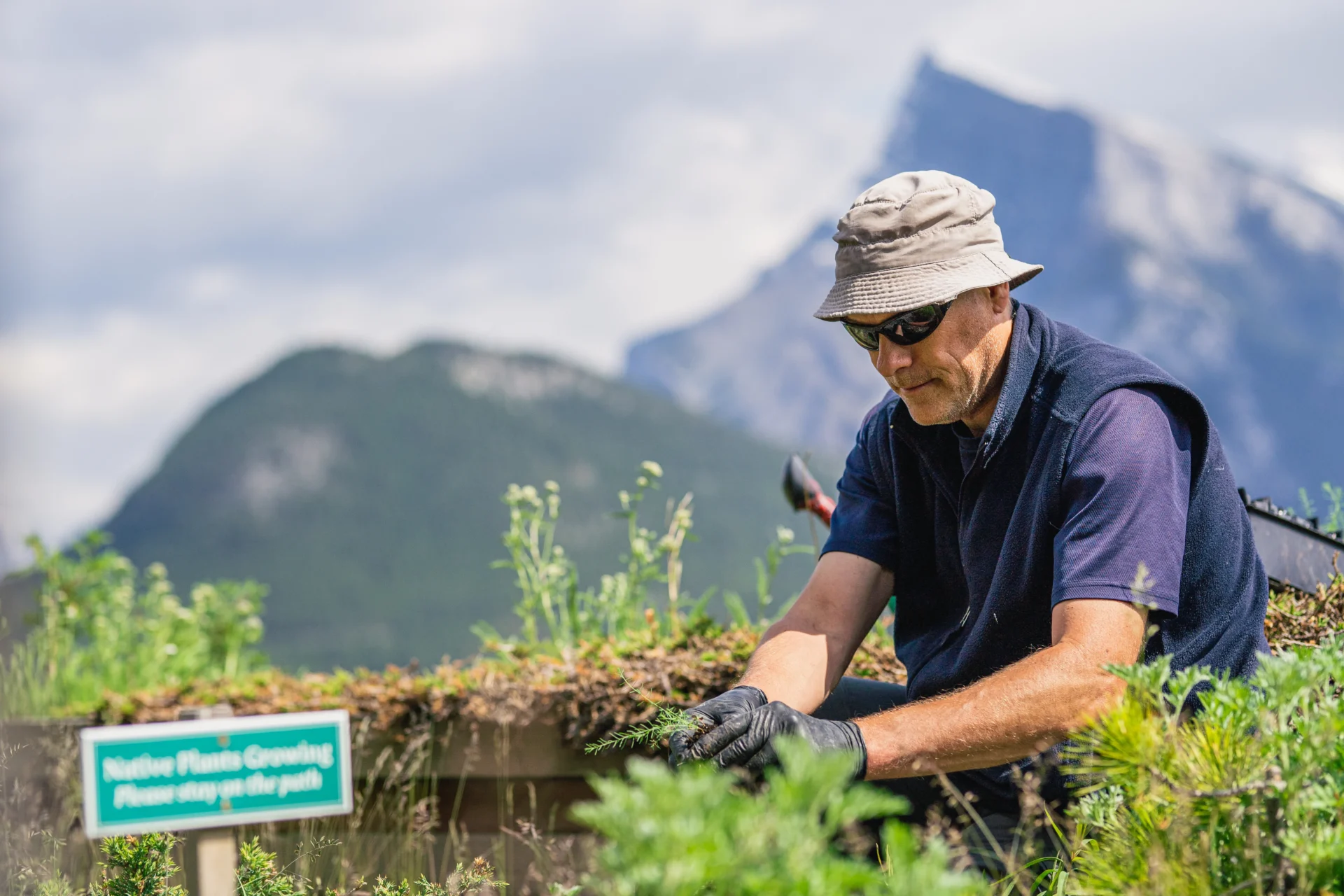
Everything we do, from the experiences we share to the gardens we tend, begins with a respect for this extraordinary corner of the Canadian Rockies.
Juniper Bistro
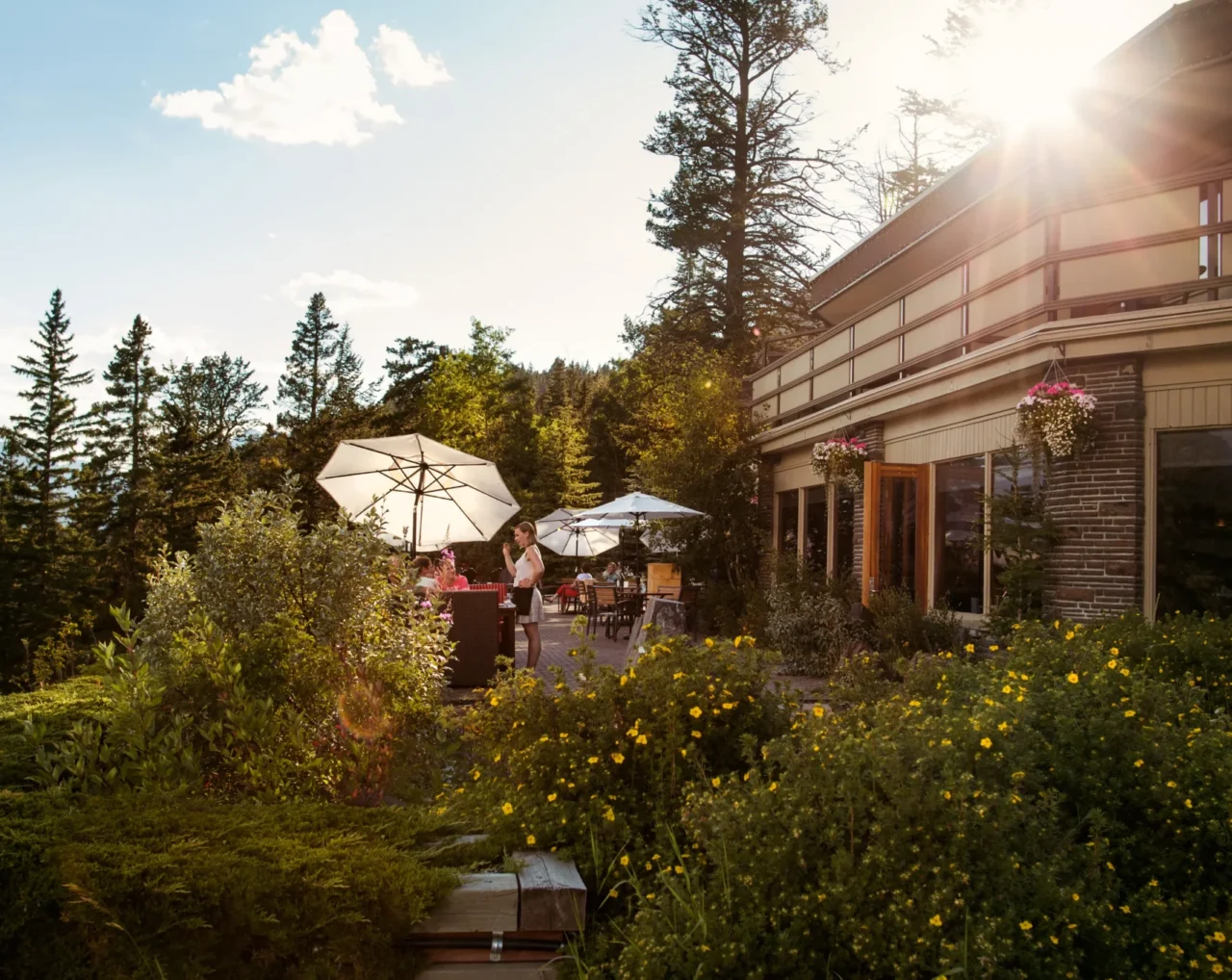
At the Juniper Bistro, the landscape shapes more than the view.
Executive Chef Sergio Garcia and his team create seasonal, plant-rich menus inspired by the Canadian Rockies and Sergio’s Mexican heritage, celebrating regional ingredients with bold flavours and thoughtful technique.
Whether you’re joining us for a destination brunch, a long lunch on the patio, or a shared dinner overlooking the mountains, every meal is designed to be as memorable as the setting itself.

Plan a stay or keep reading