
Native Plant Gardens
~ 3 minute read ~
Growing Wild: The Story of Our Native Plant Gardens
Walk the grounds of the Juniper slowly enough, and you’ll notice the garden doesn’t really end. The cultivated beds along the patio blend into montane meadow, which blends into forest – and somewhere in between, without a clear line, you’ve left the “landscaping” and entered the Bow Valley itself.
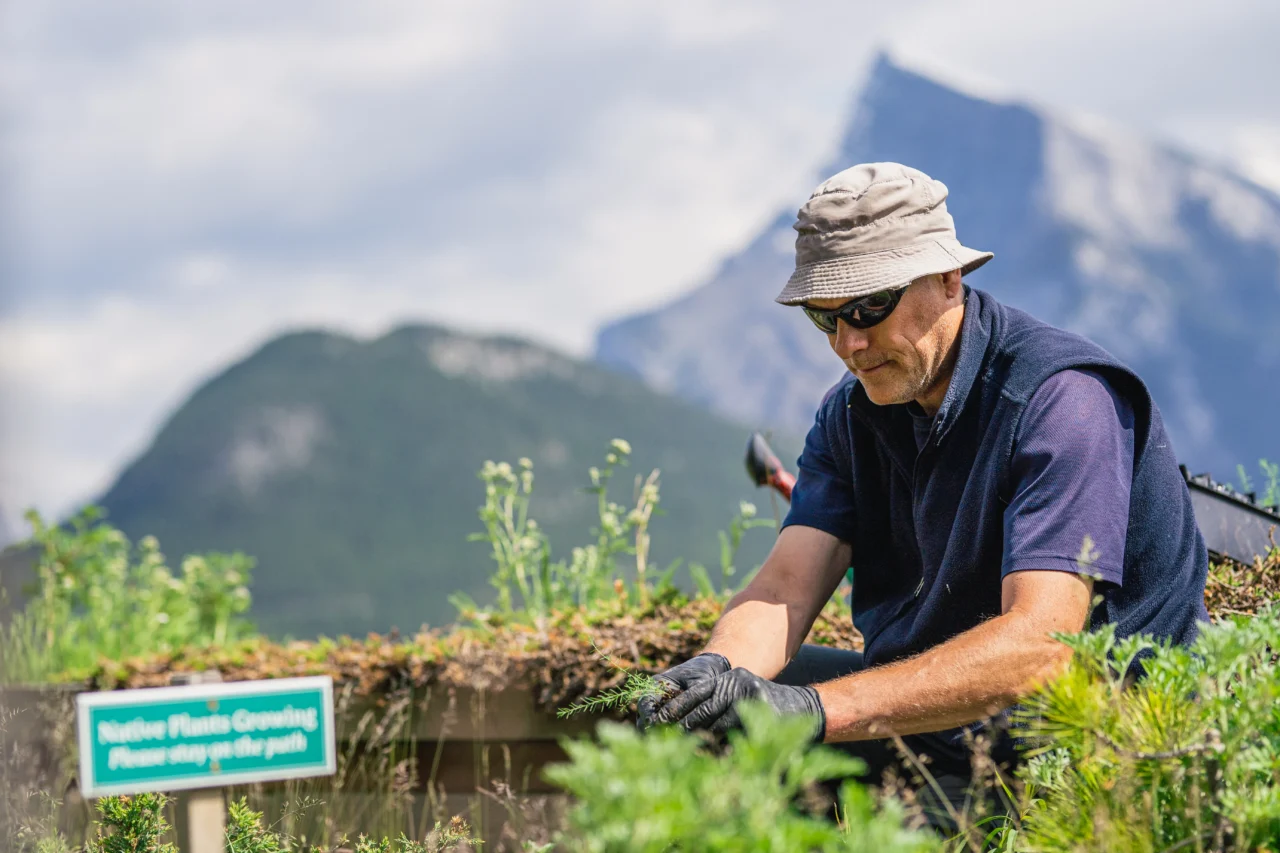
The gardens here, cared for by Native Plant Specialist Chris Braisby, have been tended with that same instinct for years – shaped not as something imposed onto the land, but as something grown out of it, blended seamlessly into the surrounding montane meadow and forest until it’s hard to say where the hotel’s landscaping ends and the wild Bow Valley begins.
Inspired by Place
It’s an instinct that goes back further than the gardens themselves. When the hotel reopened in 2004 under a new name, the inspiration came from the way the building hugs the hillside, settling into the land rather than standing apart from it – and from something growing right outside the door.
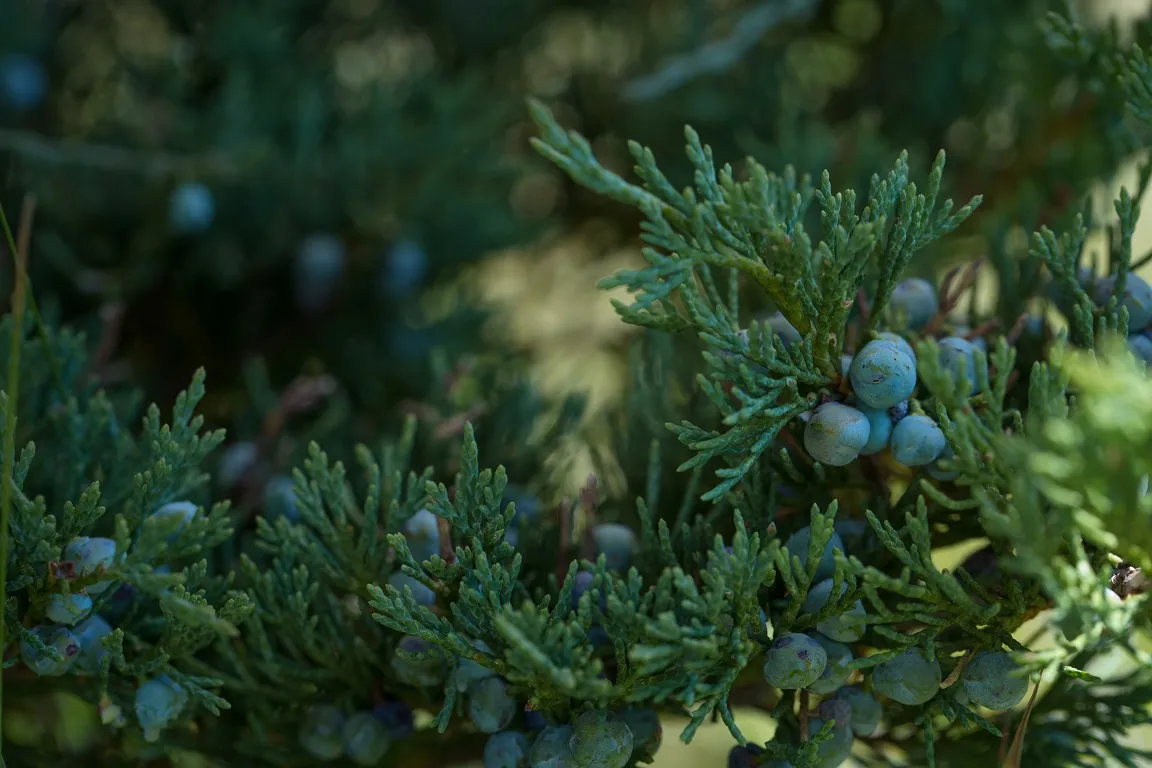
This is one of the few places in Banff National Park where all three of Canada’s native juniper species can be found, including the low-spreading Juniperus horizontalis. The property became the Juniper Hotel, and the idea of blending in, rather than standing out, has shaped everything that’s grown here since.
One Seed at a Time
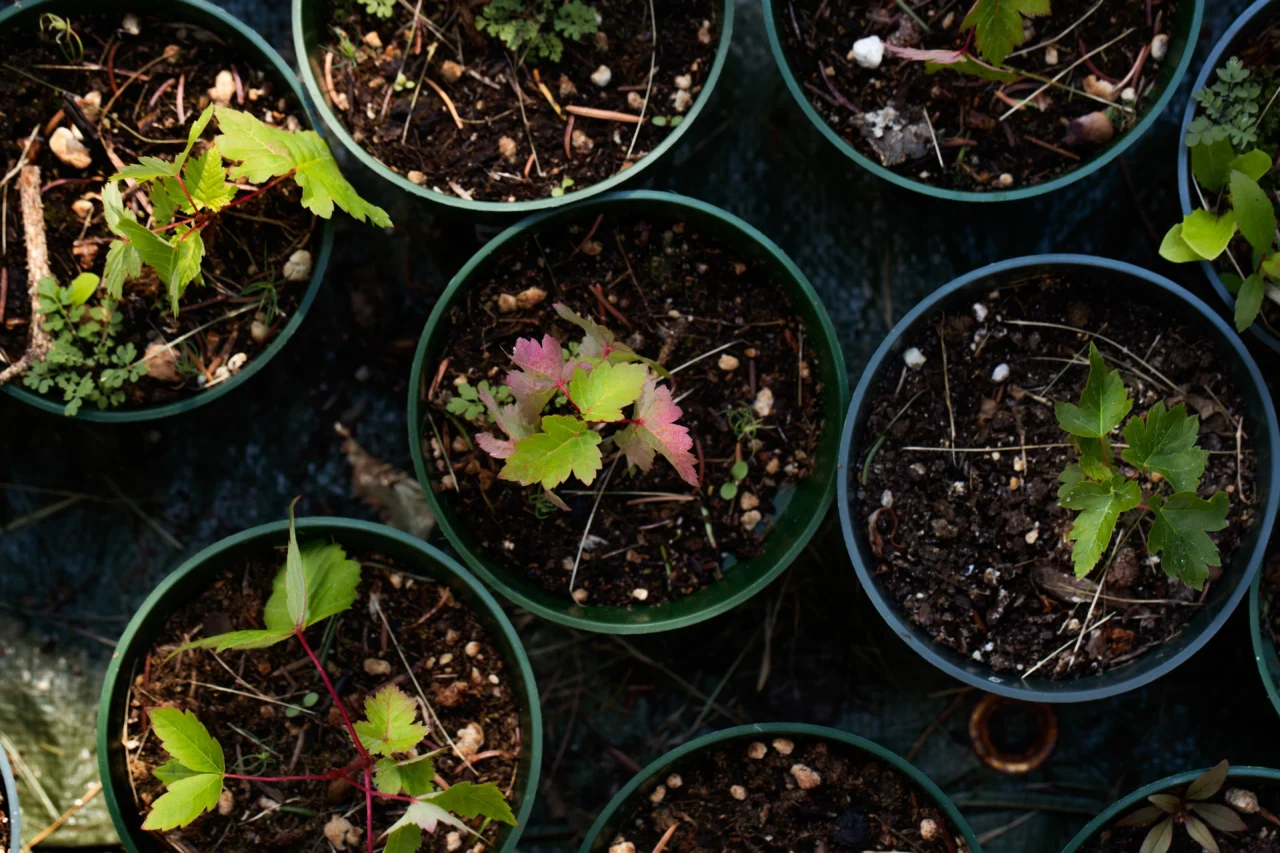
It started small, the way most good things do: a handful of collected seeds, a few quiet experiments to see what would take. Years on, that patience has grown into something rare.
Of the more than 700 native plant species found in this valley, dozens have been propagated here from source-identified seed – wildflowers, shrubs, and trees that belong here, grown here, for here. Few local landscapers work this way. It takes a particular kind of knowledge, built slowly, season by season.
A Landscape That Fed Generations
Long before any of this was a garden, the land was already feeding people. Families who travelled through this valley knew its rhythms well.
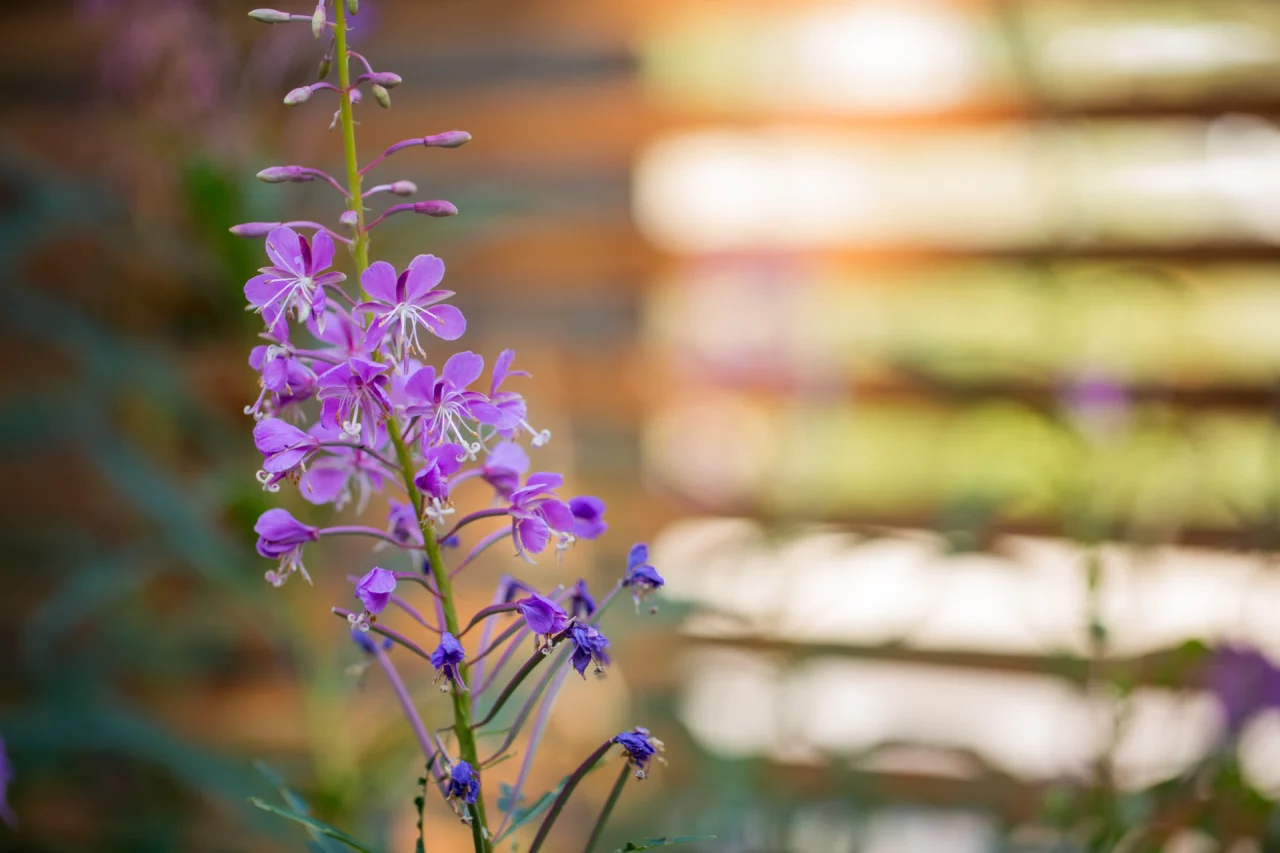
Spring meant the first asparagus-like shoots of fireweed and the tender inner bark of trembling aspen – a welcome change after a winter of dried meat and smoked fish.
In summer, women and children climbed the meadows of Mount Norquay to dig glacier lily and tiger lily bulbs, roasting them in pits sunk into the earth – pits whose remains can still be found a short walk from the hotel today. Sheep, deer, elk, and bison were slow-roasted nearby, finished with a handful of wild onion. Even the rosehip, abundant and a little contrary, had its place: prized by some for its sweet skin, avoided by others – its tiny seeds carry fine, irritating hairs that can upset the stomach if eaten whole.
Look a Little Closer
That history lives quietly alongside the gardens today – not as a display, but as a reminder that this has always been a place people paid close attention to.
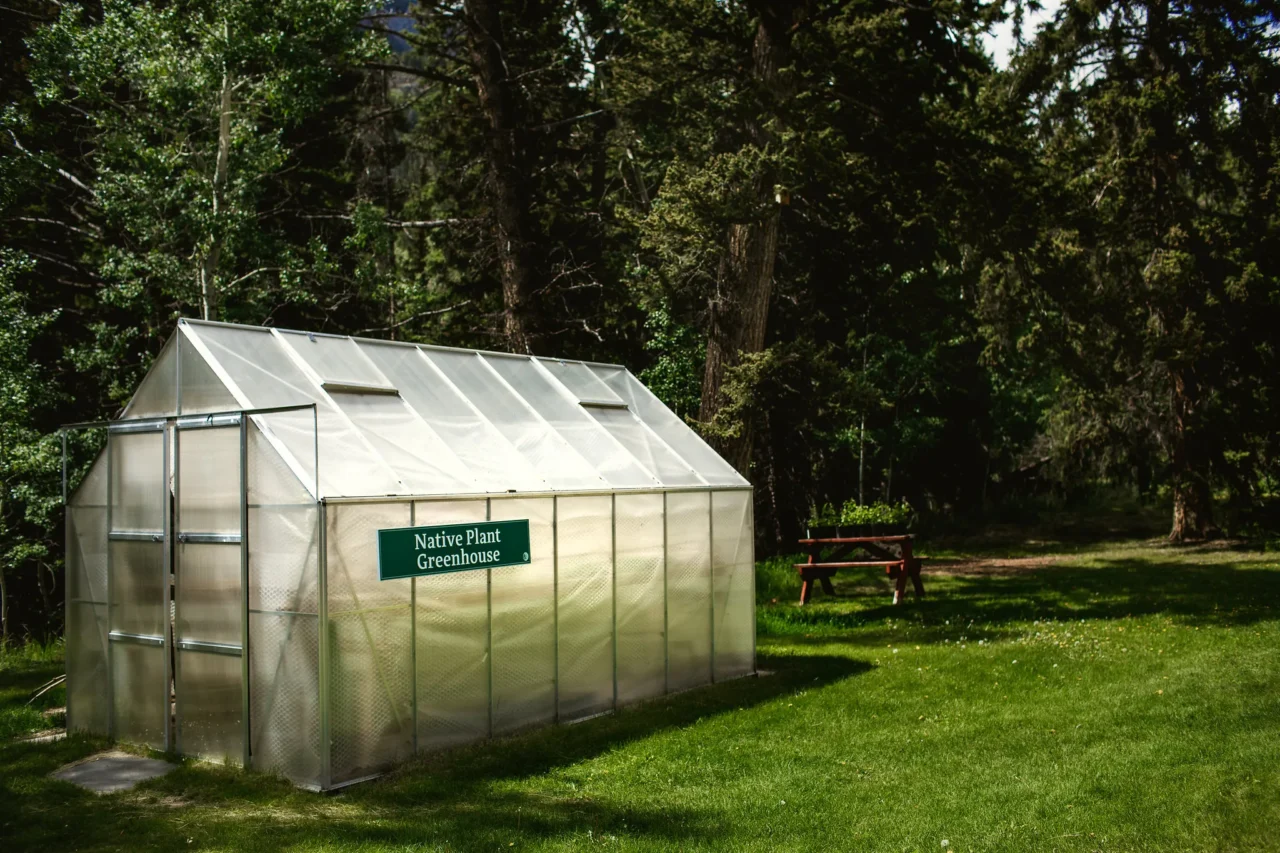
A slow walk around the Juniper still rewards that kind of attention. Native plants edge the patio, and tucked nearby is the greenhouse where new seeds are tested and the next generation of wildflowers and shrubs gets its start before ever reaching the meadow.
It’s easy to miss, if you’re not looking for it. But once you notice it, it’s hard to unsee: the way the garden and the forest trade off without a clear edge between them, the way an ordinary-looking patio border turns out to hold dozens of different native species. At the Juniper, that’s the point. The mountains were always the real garden. We just gave a small part of them a little room to be tended.

Read more about the Juniper